
How Concrete Installation Impacts Durability and Property Value
Concrete is a fundamental material in construction, forming the backbone of most infrastructures and buildings around the world. Its importance cannot be overstated, as the quality of concrete and its installation process significantly affect the longevity and market value of a property. Proper concrete installation ensures structural integrity, safety, and durability, contributing to the overall appeal and valuation of a property. Additionally, the global demand for concrete continues to rise, making up a significant portion of construction costs and influencing market trends. As such, understanding the intricacies of concrete installation is essential for anyone looking to maximize the benefits derived from its use in construction projects.
The Basics of Concrete Installation
The mixing process is crucial, as it determines the strength and consistency of the concrete. Properly mixed concrete involves balancing water, cement, and aggregates to achieve the desired workability and setting properties. Inadequate mixing can lead to weak concrete that may crack or crumble prematurely under pressure. Advanced mixing techniques, including the use of specialized mixers, help ensure uniformity and optimal performance. According to industry standards, the right ratio of components is critical to achieving the desired structural outcomes.
Pouring and forming concrete requires precision to create strong and durable structures. Forms must be properly constructed to hold the concrete until it sets, ensuring that it retains the desired shape and alignment. Proper pouring techniques, including careful handling and placement, prevent segregation and ensure an even distribution of aggregates. Timing is also critical, as delays in pouring can result in cold joints and structural weaknesses. The quality of the forms used can significantly impact the final appearance and strength of the concrete structure.
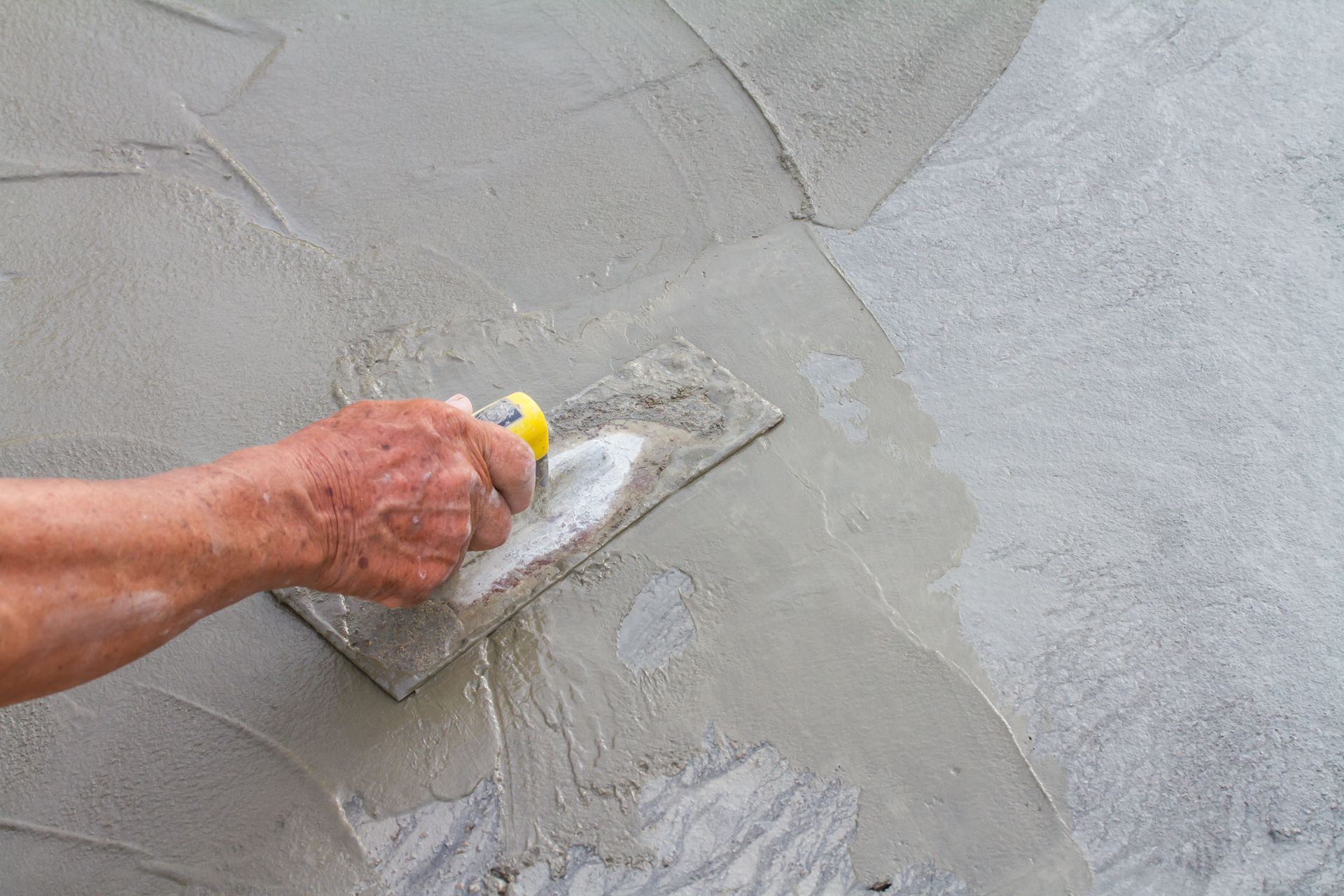
Once the concrete is poured, the finishing process begins, requiring skilled workmanship to achieve the desired texture and smoothness. Proper finishing techniques ensure that the surface of the concrete is free from defects and prepared for curing. The curing process is essential, as it allows the concrete to reach its full strength and durability, involving controlled moisture retention for an extended period. Impatience during curing can lead to surface cracking and reduced structural integrity. Professionals emphasize the importance of maintaining optimal curing conditions to enhance the concrete's performance and lifespan.
Concrete Durability: Key Factors
Proper curing is a critical factor that influences the durability of concrete, extending the lifespan of structures significantly. Curing involves maintaining adequate moisture, temperature, and time to allow concrete to achieve the desired strength. Neglecting this process can result in surface cracking and reduced durability, affecting the structural integrity of the building. Moisture loss should be controlled to prevent surface desiccation and ensure consistent hydration throughout the concrete matrix. Adequate curing practices enhance the resilience and performance of concrete against various stresses and environmental conditions.
Environmental conditions play a significant role in determining the durability of concrete installations. Extreme temperatures, humidity levels, and environmental exposure can accelerate degradation processes in concrete structures. For example, exposure to freeze-thaw cycles and chemical attacks can lead to spalling and surface deterioration. Adapting construction practices and concrete formulations to specific environmental conditions helps mitigate adverse effects. Projects in different regions must consider these environmental factors to ensure the longevity and reliability of concrete applications.
Load and usage patterns are pivotal in determining the durability of concrete structures. The type and magnitude of loads, which include vehicular traffic and pedestrian usage, impose significant stresses on concrete installations. Regular assessment and maintenance of load-bearing elements can prevent overloading and subsequent structural failure. Properly designed load distribution and reinforcement strategies enhance the durability of concrete under various operational conditions. Tailoring concrete installations to specific usage patterns ensures optimal performance and a prolonged service life.
Effect on Property Value: First Impressions
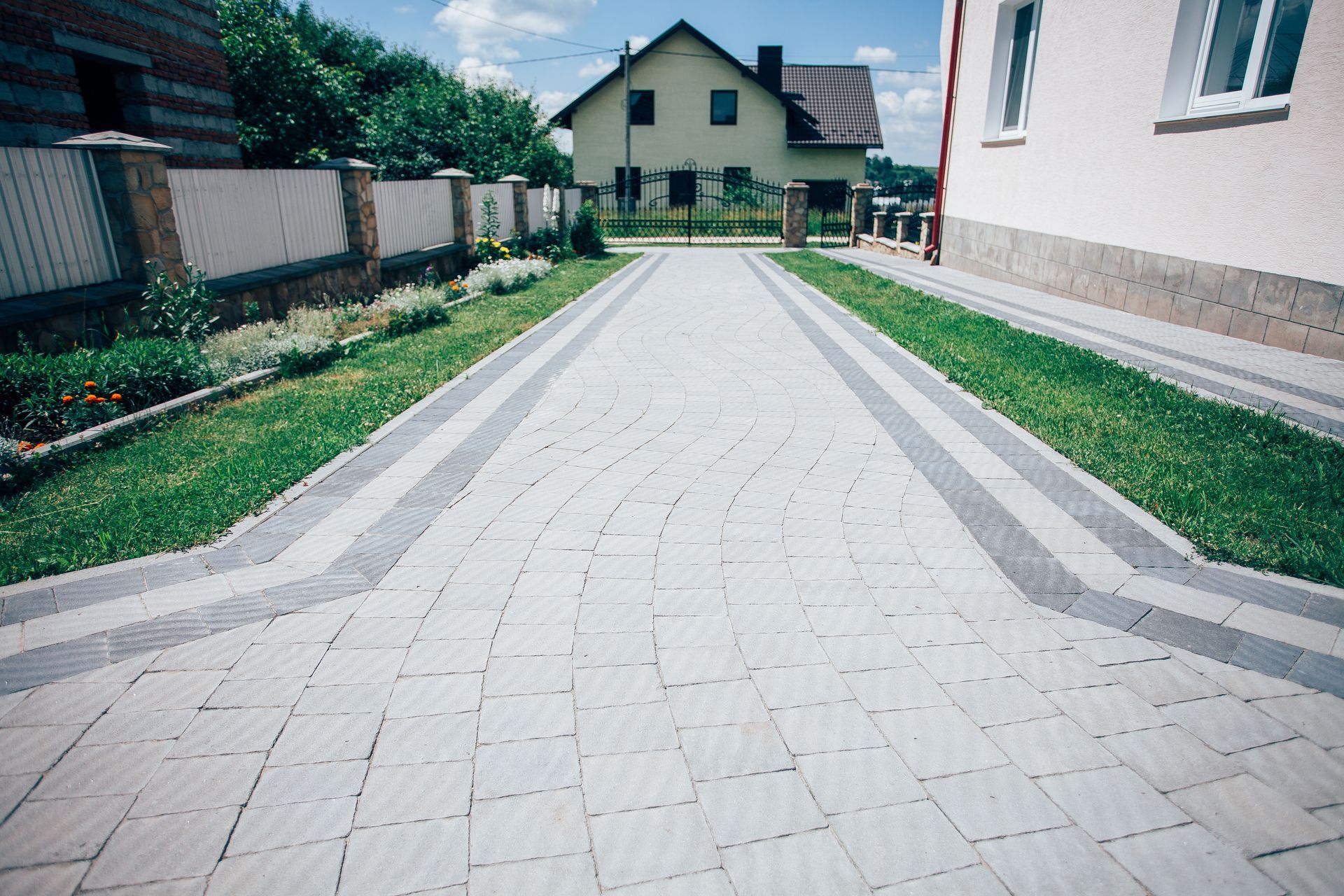
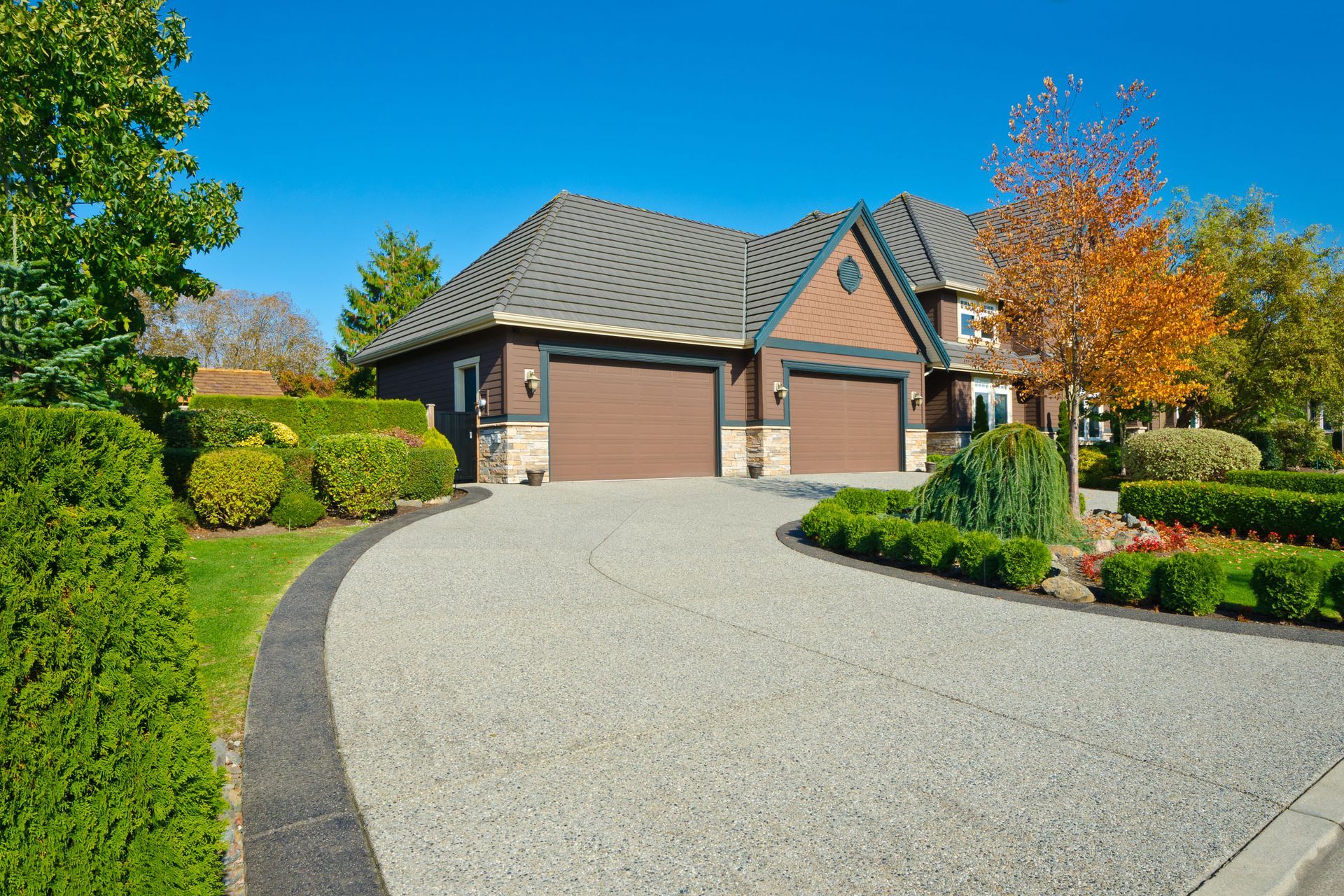
Curb appeal is a crucial factor in enhancing the aesthetic value and marketability of properties with concrete installations. Well-maintained and visually appealing concrete elements, such as driveways and pathways, create a positive first impression for prospective buyers. The quality and finish of concrete surfaces can significantly affect buyer perception, influencing their willingness to invest in the property. Integrating decorative elements and customizations can increase the aesthetic appeal and add a unique touch to concrete installations. The visual impact of quality concrete features contributes to the overall attractiveness of real estate assets.
Buyers often associate the quality of concrete installations with the overall integrity and maintenance of the property. High-quality and well-maintained concrete features can signal to buyers that the property has been cared for, enhancing its perceived value. Concrete elements that show signs of neglect or deterioration may raise concerns about hidden structural issues, potentially affecting buyer confidence. By prioritizing the aesthetic and functional aspects of concrete installations, property owners can improve the appeal and marketability of their assets. Investing in quality concrete installations serves as a testament to the property’s overall quality and maintenance.
Concrete remains a versatile and popular material choice, often compared with alternatives like asphalt and stone. Its durability, cost-effectiveness, and adaptability make it a preferred choice for many construction projects. Unlike some materials that may require frequent repairs or replacements, concrete offers long-term savings on maintenance and longevity. A comparative analysis reveals that while initial costs may vary, concrete provides superior return on investment through its enduring performance. As property owners seek materials that balance cost and durability, concrete continues to be favored in the construction industry.
The Economic Benefits of High-Quality Concrete
Investing in high-quality materials ensures the longevity and minimal maintenance of concrete installations. Upfront costs for superior materials may be higher, but savings accrue over time through reduced repairs and extended lifespan. Quality materials provide resilience against environmental factors, lowering the need for premature replacements. In regions like the U.S., which accounted for 19.3% of the global concrete market revenue in 2024, according to Grand View Research, the focus on quality can drive economic benefits. The decision to invest in quality manifests in long-term financial advantages for property owners and developers.
Conducting a return on investment (ROI) analysis highlights the economic benefits of high-quality concrete installations. Evaluating the initial costs against the long-term savings from reduced maintenance and enhanced durability reveals substantial financial returns. High-quality installations, while demanding a larger initial outlay, often increase property value and curb appeal over time. In the competitive real estate market, properties with superior concrete installations often command higher resale prices. A well-executed ROI analysis can guide decision-making, ensuring that investments yield substantial economic benefits.
One of the most significant economic benefits of investing in quality concrete is the reduction in maintenance and repair costs. Superior materials and proper installation techniques minimize deterioration and mitigate the need for frequent repairs. Over a structure's lifespan, these savings can accumulate, resulting in substantial cost reductions. By prioritizing quality installations, property owners can allocate resources more efficiently, avoiding the financial burden of recurrent repairs. The strategic focus on quality reinforces the economic advantages associated with durable concrete installations.
Technological Advancements in Concrete Installation
Emerging materials and additives are transforming the landscape of concrete installation, offering improved durability and performance. Innovations such as self-healing concrete and fiber-reinforced mixtures provide enhanced resistance to cracking and environmental stress. These novel materials contribute to extending the lifespan of concrete installations while reducing maintenance needs. Incorporating cutting-edge additives allows for greater flexibility in design and application, tailoring solutions to specific project requirements. The continuous development of new materials positions concrete installations at the forefront of construction innovation.
Automation technologies are revolutionizing concrete construction, enabling precision and efficiency in installation processes. Robotic systems and automated machinery facilitate consistent mixing, pouring, and finishing of concrete, reducing the likelihood of human error. These advancements improve the quality and uniformity of concrete applications, enhancing overall durability and performance. The integration of automation streamlines operations and accelerates project timelines, delivering superior results with reduced labor demands. As technology continues to evolve, automation is set to redefine the standards of excellence in concrete installation.
The article delves into the complex relationship between concrete installation techniques, durability, and property value. Quality
concrete installations extend the lifespan of structures, enhance aesthetic appeal, and elevate market positioning. By combining cutting-edge technologies with an emphasis on sustainability, concrete remains a cornerstone of modern construction strategies. As market demands evolve, the continuous refinement of installation practices ensures that concrete meets the diverse needs of residential, commercial, and infrastructure projects. Ultimately, the investment in superior concrete installations signifies a commitment to excellence and long-term profitability. For more information, contact Blount Concrete today.

Share On: